
Parsons Green upholstery cleaning tips for period flats
Posted on 18/06/2026
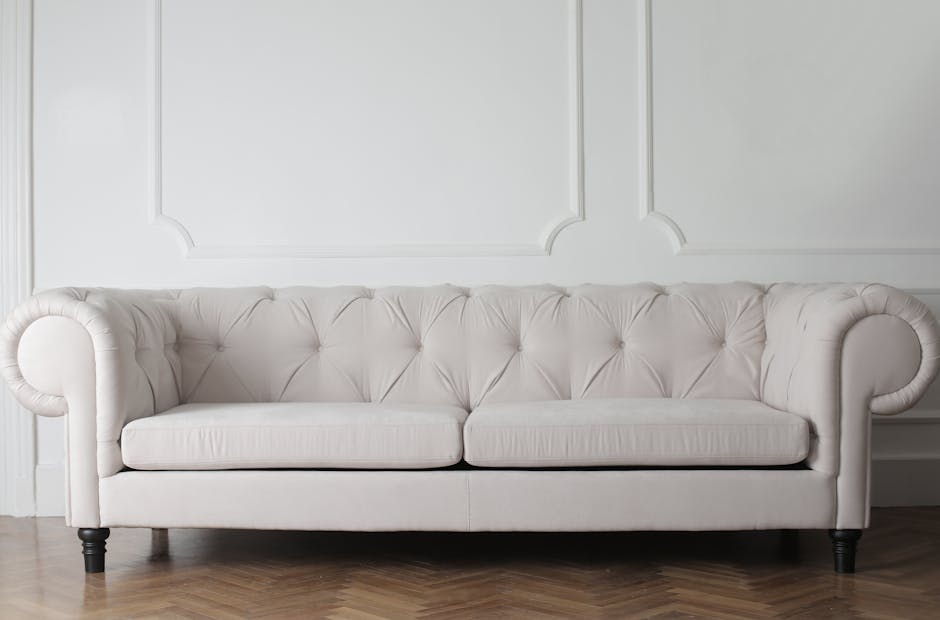
Period flats in Parsons Green have a lot going for them: tall sash windows, original details, solid bones, and that lived-in London character people fall for quickly. But the upholstery? That can be a different story. Old timber floors shift dust around, narrow rooms trap moisture, and delicate fabrics often react badly to heavy-handed cleaning. If you are trying to keep a velvet chair, a linen sofa, or a favourite armchair looking good without upsetting the fabric or the flat itself, these Parsons Green upholstery cleaning tips for period flats will help you make better decisions from the start.
The trick is not to clean harder. It is to clean smarter. In older homes, the wrong amount of water, heat, or scrubbing can leave rings, dull patches, shrinkage, or that slightly sour damp smell nobody wants lingering in the sitting room. This guide breaks down what works, what to avoid, and how to decide when a careful DIY refresh is enough and when a professional approach makes more sense. A little patience goes a long way here, honestly.
Why Parsons Green upholstery cleaning tips for period flats matters
Period flats in Parsons Green tend to combine charm with a few cleaning quirks. You might be dealing with original plaster walls, older vents, uneven temperatures between rooms, or upholstery that has been sat on, steamed, re-covered, or patched over several years. Fabrics in these homes often need a gentler hand than modern mass-produced furniture. That matters because upholstery is not just decorative; it absorbs dust, skin oils, pet hair, cooking residue, and the odd coffee splash from a rushed weekday morning.
What makes this topic especially relevant locally is the mix of building age and urban living. In a ground-floor flat, you may get more street dust. In a top-floor flat, heat and sunlight can fade fabrics faster. In both cases, cleaning habits need to be adjusted to the room, the fabric, and the way the flat actually lives. Not all sofas are equal, and not every stain should be attacked the same way. That sounds obvious, but people still soak a delicate armchair and then wonder why it dries with a tide mark. It happens.
Good cleaning also protects value. Even if you are not thinking about resale or a tenancy inspection, well-kept upholstery makes a room feel calmer, brighter, and more settled. The texture looks fresher. The air feels cleaner. You notice it when you sit down at the end of the day. Small thing, but very real.
If you are building a broader care routine for a flat, it can help to think of upholstery as part of the whole interior system rather than a separate chore. For example, coordinating upholstery care with careful carpet cleaning and curtain cleaning often gives a better overall result than cleaning one item in isolation.
How Parsons Green upholstery cleaning tips for period flats works
The basic process is simple, but the details matter. Upholstery cleaning starts with identifying the fabric, checking the construction, and deciding whether the item can tolerate moisture, agitation, or heat. That comes first, before any product touches the surface. In older flats, where furniture may be heirloom pieces, antique-inspired reproductions, or reupholstered originals, this step is not optional.
Most safe cleaning routines follow a similar pattern:
- Inspect the fabric label or fibre type. This tells you whether the item is likely to tolerate water-based cleaning, solvent-based treatment, or only very light maintenance.
- Vacuum thoroughly. Dry soil is abrasive. If you skip this step, you end up rubbing grit deeper into the weave.
- Spot test a hidden area. A discreet patch at the back or underside can reveal colour bleeding, pile change, or water marks before the full piece is touched.
- Treat stains gently. Blot first, lift second, and only then consider a cleaner that suits the fabric.
- Control moisture carefully. Too much water creates rings, stretch marks, and slow drying. In period flats, that can also encourage musty odours.
- Dry with airflow. Open windows if weather allows, improve ventilation, and avoid sitting on the piece too soon.
That is the practical framework. The real art is knowing how much pressure to use, how much liquid to apply, and when to stop. Upholstery cleaning can be a bit like making tea for a fussy guest: simple enough in theory, but leave it too long or get the ratios wrong and the result is off.
Different materials behave differently. Cotton and linen blends often show water marks more easily. Velvet can crush if scrubbed. Wool mixes can shrink or distort if overheated. Leather is its own world altogether and needs conditioning as much as cleaning. Period flats add another layer because temperature, humidity, and airflow may be less predictable than in newer builds.
For sofas that need more than a surface refresh, a specialist sofa service such as professional sofa cleaning in Fulham can be a safer route than experimenting with a home machine on a delicate fabric.
Key benefits and practical advantages
Done properly, upholstery cleaning delivers more than just visual improvement. The best results are often the ones you feel rather than immediately see. The room smells fresher. Dust does not puff up when you sit down. The fabric feels less greasy under your hand. It is a small reset, but it changes the whole flat.
- Better appearance: Colours look clearer and fabrics read as cleaner without that heavy over-wet look.
- Longer fabric life: Removing grit and oils helps reduce wear on seams, armrests, and headrests.
- Improved comfort: Sofas and chairs feel less sticky, dusty, or stale.
- Odour control: Period flats can hold cooking smells, pet odours, and damp notes; upholstery often traps them.
- More consistent indoor feel: When upholstery, rugs, and curtains are maintained together, the whole room feels more balanced.
There is also a practical benefit for anyone renting or hosting guests. Upholstery that looks neglected tends to make the rest of the flat look tired, even if everything else is fine. On the other hand, clean chairs and sofas quietly signal care. You do not have to shout about it. The room does the work.
And yes, it can save money. Not always in a dramatic way, but a sensible cleaning routine can delay the need to replace cushions, recover chairs, or deal with stubborn marks that became permanent because they were left too long.
Who This Is For and When It Makes Sense
This guidance is especially useful if you live in a Parsons Green period flat and any of the following sound familiar:
- You have inherited or bought older furniture with unknown fabric history.
- Your flat has limited ventilation and items dry slowly.
- You are dealing with delicate materials like velvet, linen, wool blends, or mixed fibres.
- You notice dust settling quickly on sofas and armchairs.
- You are preparing for guests, a tenancy handover, or simply want the room to feel less tired.
- You have children, pets, or a busy household where spills are part of life, because let's face it, they just are.
It also makes sense when you are trying to decide whether to clean yourself or bring in help. A light refresh on a sturdy fabric may be perfectly manageable. A stubborn stain on an antique chair with original piping? That is a different matter. If the item is valuable, sentimental, or awkwardly shaped, caution is the sensible choice.
Some people wait until upholstery looks visibly dirty. That is usually too late. A better rhythm is to treat it as maintenance, not rescue work. Once dust and body oils have built up for months, the fabric may need far more intervention to look good again.
For wider household upkeep in the area, you may also want to look at house cleaning in SW6 as part of a full-room reset when things have started to feel a bit heavy and cluttered.
Step-by-Step Guidance
Here is a straightforward way to clean upholstery in a period flat without making life harder than it needs to be.
1. Identify the fabric first
Check the care label if there is one. If there is no label, use common sense and look at the feel, weave, sheen, and age of the piece. A brushed fabric that looks fragile should never be treated like a modern synthetic sofa cover. If you are unsure, assume the most cautious route.
2. Vacuum slowly and properly
Use an upholstery attachment and go over the whole piece, including piping, seams, buttons, and under cushions. Work slowly. This is one of those jobs where rushing makes a visible difference, and not in a good way. You will often be surprised at how much fine dust comes out of a seemingly clean chair.
3. Deal with loose marks before wet cleaning
Dry crumbs, pet hair, and surface dust should be removed before any liquid is introduced. A soft brush can help lift fibres and separate surface dirt. Be gentle, especially with raised pile or woven texture.
4. Spot test every new product
Even a mild cleaner can cause colour transfer or dulling. Apply a tiny amount to a hidden area, wait, and inspect it in daylight if possible. Natural light near a sash window is unforgiving, in a useful way. It shows you exactly what is happening.
5. Blot stains, do not scrub them
Scrubbing spreads the stain, roughens the fabric, and can distort the pile. Use a clean cloth and work from the outside of the mark inward. Repeat with fresh cloth sections so you are lifting soil away, not putting it back down.
6. Use minimal moisture
Apply cleaner sparingly. In period flats, over-wetting is one of the fastest ways to create lingering dampness or ring marks. The goal is controlled cleaning, not a mini flood on the sofa.
7. Dry with airflow
Keep the room ventilated and avoid heavy use of the furniture until it is fully dry. If the weather is damp, drying can take longer than expected. Be patient. It is annoying, yes, but worth it.
8. Finish with a final check
Once dry, inspect the piece from different angles. Look for water rings, colour fade, missed stains, or flattened pile. A clean item should look even, not patchy.
Expert Tips for Better Results
Small adjustments make a big difference in older homes. Here are the details people often overlook.
- Work in daylight if you can. Artificial light can hide tide marks until the next morning.
- Clean the room in the right order. Start with upholstery, then rugs, then curtains, or the other way round depending on dust levels. The point is to avoid re-soiling items you have just cleaned.
- Mind the cushions separately. Loose cushions often dry faster than fixed seats, so remove them where possible.
- Use a white cloth for testing. That way you can see if dye is coming off the fabric or the stain is transferring.
- Do not chase every mark. Some older upholstery carries character marks. There is a difference between grime and patina, and it is not always worth fighting every shadow.
- Watch for hidden moisture. Buttons, seams, and folds hold liquid longer than flat panels.
A slightly odd but useful observation: older flats can make you think the room is dry when it is not. The air may feel fine, then 12 hours later a cushion still feels cool at the core. That is the sort of thing that leads to mildew if you are not paying attention.
If you are trying to keep the whole room feeling coordinated, upholstery care pairs well with rug cleaning for homes in Fulham. Rugs and sofas tend to share dust, pet hair, and drink spills anyway, so tackling both together usually makes sense.
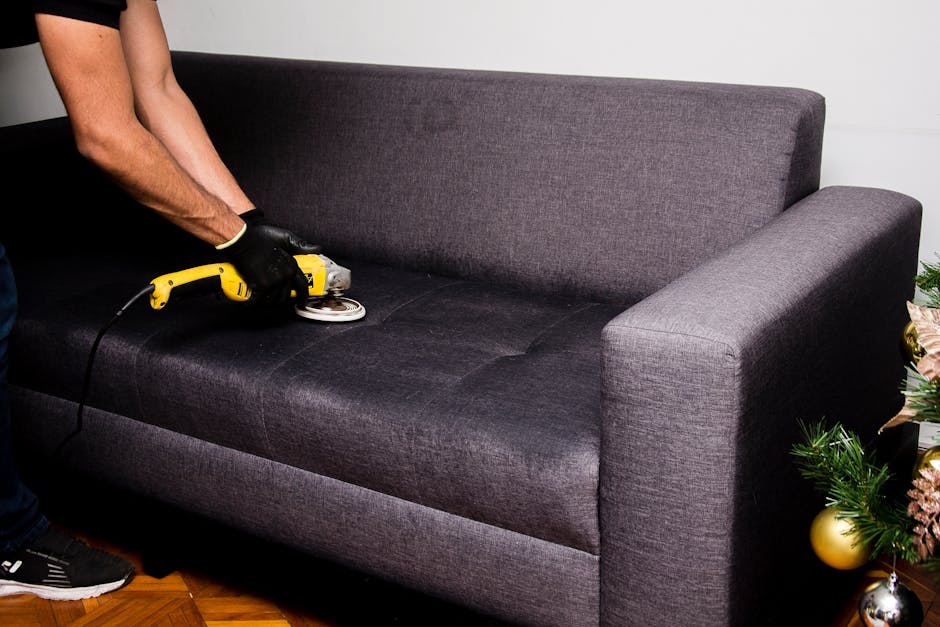
Common Mistakes to Avoid
A lot of upholstery damage happens during cleaning, not before it. That sounds harsh, but it is true enough.
- Using too much water: This is the biggest one. Wet patches can leave rings, shrink fabric, or draw dirt back up as they dry.
- Scrubbing in circles: It feels productive, but it usually roughens the weave and makes the area look worse.
- Skipping the patch test: A hidden reaction is better discovered behind the sofa than on the front seat.
- Mixing products: More cleaner does not mean better cleaning. In fact, it often means residue.
- Ignoring fabric type: Velvet, silk blends, vintage wool, and synthetic microfibres all behave differently.
- Using heat too aggressively: Hairdryers and hot air can distort fibres or set stains.
- Forgetting ventilation: In a period flat, slow drying can create stale smells and dampness that linger for days.
One small truth: if a cleaning approach feels like hard work from the start, it may be the wrong approach. Gentle, measured cleaning is usually the safer path for older upholstery. A bit boring? Maybe. Effective? Usually, yes.
Tools, Resources and Recommendations
You do not need a huge kit to do upholstery care well. In many cases, a simple, tidy set-up is better than a cupboard full of half-used products.
| Tool or item | What it is good for | Why it helps in period flats |
|---|---|---|
| Upholstery vacuum attachment | Removing dust, crumbs, and pet hair | Helps reduce abrasion before any wet cleaning begins |
| Soft white microfibre cloths | Blotting stains and testing cleaners | Makes it easier to spot dye transfer and avoid scratches |
| Soft brush | Lifting dry dirt from textured fabric | Gentler on older weaves and delicate pile |
| Mild fabric-safe cleaner | Spot treatment and light refreshes | Better suited to cautious cleaning than strong general-purpose products |
| Dry towels | Absorbing excess moisture | Helps control drying time where ventilation is limited |
| Good airflow | Drying after cleaning | Reduces musty odours and the risk of lingering dampness |
If you are deciding whether to book help instead of doing it yourself, it is sensible to consider the item's age, material, and condition. For specialist upholstery work, the service at Fulham upholstery cleaning is the most relevant internal option here because it speaks directly to furniture care rather than general house cleaning.
For readers who prefer to coordinate a broader refresh around the same visit, the website also includes a promotions page and a simple way to book a cleaner when the job is bigger than a quick spot treatment.
Law, Compliance, Standards, or Best Practice
For most homeowners and tenants, upholstery cleaning is mainly about sensible care rather than formal regulation. Still, there are a few practical best-practice points worth keeping in mind.
First, if you are renting, check your tenancy agreement before using heavy-duty equipment or aggressive stain removers. Many landlords are fine with regular cleaning, but it is wise to avoid damage, especially to fixtures or integrated furniture. If the upholstery belongs to the property, you are usually better off keeping a record of what you cleaned, when, and how, particularly if the item had an existing mark.
Second, older homes can have more delicate surfaces nearby. In period flats, upholstery sits alongside timber floors, painted mouldings, and sometimes old plasterwork that does not like excessive moisture. Good practice means protecting surrounding surfaces, opening windows where practical, and never assuming the room can take the same treatment as a modern flat.
Third, any reputable cleaning routine should be cautious about fabric integrity. If a piece is antique, structurally weakened, or already fraying, the safest standard is minimal intervention. There is no prize for forcing a deep clean into a chair that really only needs dust removal and careful maintenance.
That is the general rule: preserve first, clean second. It is a simple hierarchy, but it keeps people out of trouble.
Options, Methods, or Comparison Table
Choosing the right approach depends on the fabric and the level of soiling. Here is a practical comparison to help narrow it down.
| Method | Best for | Strengths | Watch-outs |
|---|---|---|---|
| Dry vacuum maintenance | Weekly upkeep and light dust | Safe, fast, low risk | Will not remove deep stains or odours |
| Gentle spot cleaning | Small fresh spills and marks | Controlled and targeted | Needs testing; can still leave rings if overdone |
| Home upholstery machine | Sturdier synthetic fabrics | Can lift embedded dirt | Too much moisture can be a problem in period flats |
| Professional upholstery cleaning | Delicate fabrics, large sofas, valuable pieces | More controlled process, better for tricky materials | May cost more, but often safer |
In a Parsons Green period flat, the safest first choice is usually the least aggressive one that still does the job. That may sound cautious. It is. But cautious is often exactly right when you are dealing with older fabric, limited airflow, and furniture that would be annoying to replace.
If the piece is part of a larger room refresh, you might coordinate it with carpet care or house cleaning so dust does not move straight back onto the upholstery a day later. That sort of sequencing matters more than people think.
Case Study or Real-World Example
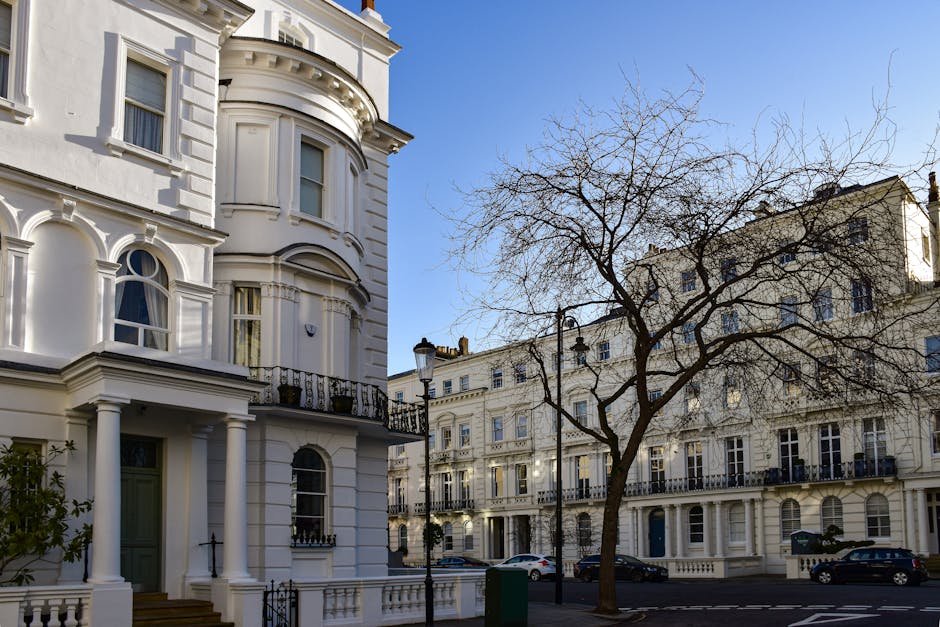
Picture a typical evening in a Parsons Green period flat: a light-coloured three-seater sofa in the living room, a velvet armchair near the window, and a rug that has quietly collected months of dust from shoes, pets, and everyday living. A cup of tea gets knocked during a conversation. Not a disaster, but enough to leave a pale mark and a faint smell once it dries.
The homeowner does the sensible thing. They blot the spill immediately, avoid scrubbing, and check the fabric label before using any cleaner. The sofa turns out to be a mixed fibre that dislikes heavy moisture, so only a very light treatment is used. The chair near the window, which catches more daylight, is more prone to fading, so it gets a gentler approach again. The rug underfoot is cleaned separately because it holds soil that would otherwise migrate back to the sofa base. Nothing dramatic. Just careful sequencing.
By the next day, the room feels noticeably fresher. The sofa is not perfect, because real life rarely is, but the mark is much less visible and the fabric has not been over-wet. More importantly, the owner has a repeatable routine now. They know what to do next time. That is often the real win.
In situations like this, a professional clean may be worth considering if the item is valuable or the stain is stubborn. A sensible next step is often to compare options and choose the least disruptive one that still protects the furniture.
Practical Checklist
Use this checklist before you clean upholstery in a period flat.
- Check the fabric type or care label.
- Test any cleaner on a hidden area.
- Vacuum seams, buttons, and crevices first.
- Remove loose crumbs and pet hair.
- Keep cloths clean and change them often.
- Blot stains rather than scrubbing them.
- Use the smallest practical amount of moisture.
- Open windows or improve airflow where possible.
- Allow full drying before using the item again.
- Inspect for rings, residue, or colour change once dry.
Quick check, then move slowly. That rhythm works better than rushing straight into the stain and hoping for the best, which, to be fair, is how quite a few problems start.
Conclusion
Parsons Green period flats reward careful upkeep. Their charm is in the detail, and upholstery is part of that story. If you treat fabrics gently, keep moisture under control, and pay attention to ventilation, you can protect the look and feel of your furniture without turning cleaning into a battle.
The core message is simple: identify the fabric, test first, use less water than you think, and dry thoroughly. Once you get into that habit, upholstery care becomes far less stressful. And the room starts to feel like itself again, which is really what most people want.
If your sofa, armchair, or rug needs more than a light refresh, it may be worth exploring the relevant service pages and planning a proper clean rather than improvising. One careful decision now can save a lot of hassle later. That is especially true in older homes, where the furniture has a story and should not be bullied into looking new.
Get a free quote today and see how much you can save.