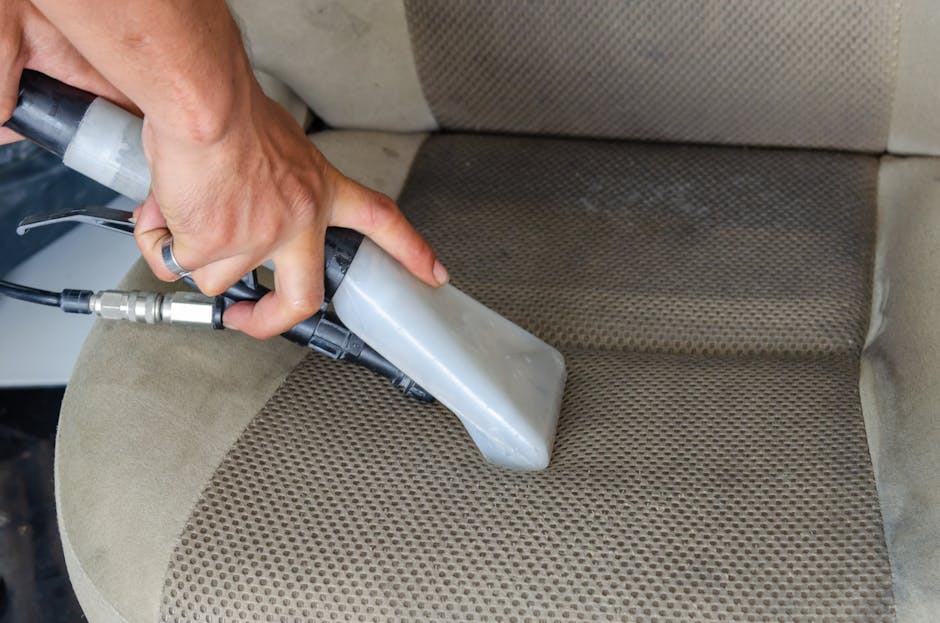
Emergency stain removal Fulham common problems and solutions
Posted on 07/10/2026
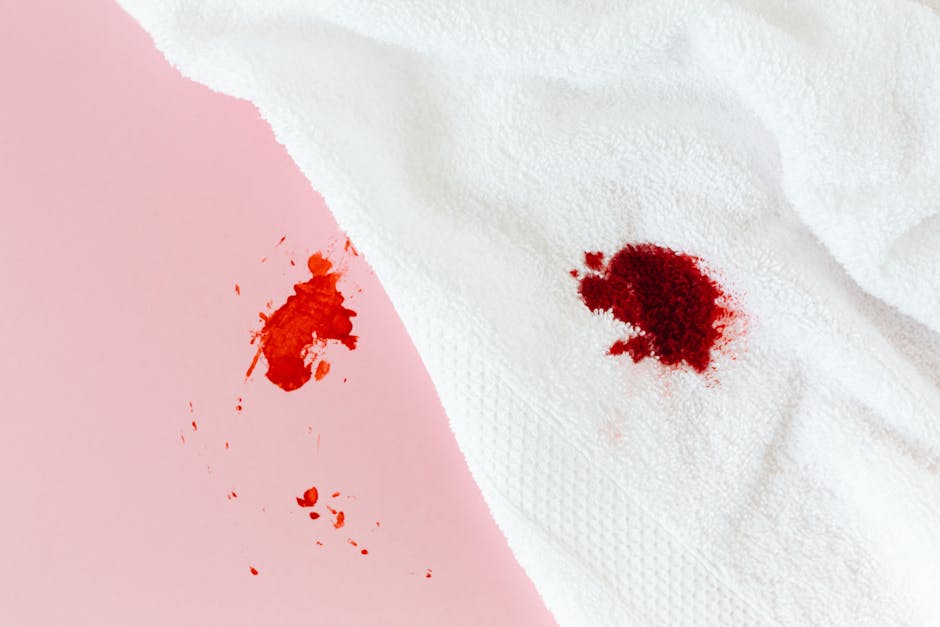
Spilled red wine on a cream sofa. Mud tracked over a hallway rug. Coffee soaking into a chair just before guests arrive. If you live or work locally, emergency stain removal in Fulham often becomes one of those "deal with it now" problems that can't wait until tomorrow. And truth be told, the first five minutes matter more than most people realise.
This guide on Emergency stain removal Fulham common problems and solutions breaks down what to do, what not to do, and how to judge whether a stain is worth tackling yourself or handing over to a professional. You'll find practical steps, local considerations, common mistakes, and a realistic view of the methods that work best on carpets, rugs, upholstery, and curtains.
If the mess is fresh, the odds are usually in your favour. If it has already dried in, all is not lost - but the approach needs to be a bit more careful. Let's get into it.
Why Emergency stain removal Fulham common problems and solutions Matters
Stains are not just cosmetic. In a busy home, rented flat, office, cafe, or short-let property, they can spread, set deeper into fibres, and leave odours behind. In a place like Fulham, where lots of interiors mix light carpets, upholstered furniture, and high footfall, that can turn a small spill into a bigger repair job fast.
The main issue is timing. A fresh stain sits on the surface for a short while before it begins bonding with fabric or carpet fibre. Once that happens, the stain becomes harder to lift without spreading it or changing the texture around it. You may notice a water ring, a faded patch, or that tell-tale "clean spot" that somehow looks worse than the original mark. Annoying, isn't it?
Emergency stain removal matters because it protects more than appearance. It can help reduce odour, prevent permanent discolouration, and stop residue from attracting more dirt later. On soft furnishings, quick action can also preserve the pile, backing, or filling underneath. That is a bigger deal than people think.
There's also a practical side. If you are a tenant, landlord, or property manager, early treatment can reduce the likelihood of costly replacement. And if you run a business, a stained chair or entrance carpet gives visitors a poor first impression in seconds. No one remembers the half-finished refurbishment; they remember the coffee blotch on the sofa.
Expert summary: The faster you identify the stain, the safer your cleaning method can be. Blot first, test second, and only then decide whether to treat it yourself or bring in specialist help.
How Emergency stain removal Fulham common problems and solutions Works
Good emergency stain removal follows the same basic logic every time: identify the stain, choose the least risky method, remove as much as possible without spreading it, and dry the area properly. Simple in theory. A little fiddly in real life.
Different stains behave differently. Water-based spills like juice or tea usually respond to blotting and gentle extraction. Greasy stains, such as food oil or makeup, often need a solvent-based or fibre-safe degreasing approach. Protein-based stains, such as milk or bodily fluids, can set quickly if heat is used too soon. Dye-based stains, especially wine or ink, are the stubborn ones that can travel through fibres and leave a halo.
For carpets and rugs, surface treatment may not be enough if liquid has penetrated the pile and underlay. Upholstery can be trickier because cushions, stitching, and delicate fabrics do not all react the same way. Curtains are another one - vertical fabric behaves differently from a flat carpet, and a stain can wick upward or outward before you even finish dealing with it.
In practice, emergency stain removal usually involves one of three approaches:
- Blotting and dilution for fresh water-based stains.
- Controlled spot treatment for specific marks on carpet or upholstery.
- Professional extraction or specialist treatment for deeper or delicate stains.
The goal is not to attack the stain with maximum force. It is to remove it with minimum damage. That sounds tidy on paper, but it really is the smartest route.
Key Benefits and Practical Advantages
The obvious benefit is a cleaner surface. But a better way to think about emergency stain removal is this: it buys you time, protects materials, and keeps the problem from spreading.
- Helps avoid permanent damage: Early action often prevents deep setting and fibre distortion.
- Reduces the chance of odour: Spills that are left damp for too long can smell unpleasant, especially on upholstery and rugs.
- Preserves appearance: A light, even finish is usually easier to maintain than a patchy, over-scrubbed area.
- Supports rental and property standards: Clean furnishings matter for check-ins, inspections, and handovers.
- Saves time later: The sooner you tackle the stain, the less likely you are to need a full re-clean or replacement.
There is also a confidence factor. Once you know what to do in the first 10 minutes, a lot of household panic disappears. You stop scrubbing at random and start making sensible choices. Small shift, big difference.
And yes, that includes knowing when not to touch a stain. Some fabrics are more vulnerable than the stain itself. Gentle judgment goes a long way.
Who This Is For and When It Makes Sense
Emergency stain removal in Fulham makes sense for anyone dealing with a sudden spill on a surface that matters. That could be a family home, a rented flat, a boutique office, or a furnished property that needs to look presentable quickly.
It is especially relevant if you are:
- Tenants trying to avoid avoidable marks before a checkout inspection.
- Landlords and letting agents who need quick turnaround between occupancies.
- Homeowners with light carpets, statement rugs, or expensive upholstery.
- Businesses that rely on a clean, professional appearance for clients and staff.
- Pet owners dealing with accidents that happened five minutes ago or five hours ago.
It also makes sense when the stain is visible in a high-use area: hallways, sofas, dining chairs, landings, reception spaces, and rugs near entrances. Those are the places where people keep looking, which makes the stain feel bigger than it is. To be fair, sometimes it is big. Sometimes it just looks it because it's in the worst possible spot.
If the mark is tiny, fresh, and clearly water-based, a careful DIY approach may be enough. If the stain is old, greasy, strongly coloured, or on a delicate fabric, you are usually better off being cautious and getting advice before you make it worse.
Step-by-Step Guidance
Here is a practical process you can use for many common emergency spills. Keep it calm. Keep it measured. Most mistakes happen when people rush and start rubbing.
- Act immediately. Remove solids gently with a spoon or dull edge if needed. Do not grind debris into the fabric.
- Blot, don't rub. Use a clean white cloth or paper towel and press lightly to lift liquid from the surface.
- Identify the stain type. Tea, coffee, wine, oil, ink, mud, and food each need a different approach.
- Check the fabric. Look at the care label if there is one, and test any solution on a hidden area first.
- Use the mildest suitable method. Start with cool water for many fresh stains. Move carefully to a stain-specific treatment only if needed.
- Work from the outside in. This helps avoid spreading the mark into a larger ring.
- Control moisture. Too much liquid can push the stain deeper into underlay or cushion filling.
- Repeat in short cycles. A few gentle rounds are safer than one aggressive scrub session.
- Dry properly. Pat the area, increase airflow, and avoid using heat until you are sure the stain is gone and the fabric is stable.
- Check for residue. Some stains leave a shadow after drying, which may need a second pass or professional extraction.
For example, if a glass of red wine lands on a rug during a dinner in Fulham, blot immediately, apply cool water in small amounts, and keep lifting the liquid rather than spreading it around. If it's coffee on an armchair, use caution with over-wetting. A sofa cushion can hold far more moisture than it looks like it can. Sneaky things, cushions.
If the mark is not improving after a couple of careful attempts, stop. That pause is often the smartest move you can make.
Expert Tips for Better Results
Some advice gets repeated so often that it becomes background noise. But in stain removal, the boring tips are usually the ones that save the day.
- Use white cloths only. Coloured towels can transfer dye, especially when damp.
- Always blot first. It sounds too simple, but it is the most overlooked step.
- Keep the stain area small. Overworking a large patch can create watermarks or texture changes.
- Treat stains as soon as possible. Fresh marks are much easier than old, set-in ones.
- Use cool or lukewarm water unless the material specifically allows otherwise. Heat can set certain stains.
- Ventilate the room. Open a window if practical, especially after using a cleaning solution.
- Lift fibres gently after drying. On carpets, a soft brush can help restore the look without flattening the pile.
One very practical tip: keep a small stain kit somewhere easy to reach. Not buried in a cupboard behind the old extension lead and two dead batteries. A simple kit makes a huge difference when a spill happens during a busy evening.
Another useful habit is to photograph the stain before and after treatment if you are dealing with a rental, office, or insurance-related situation. Not dramatic, just sensible. It can help show what was there and what changed.
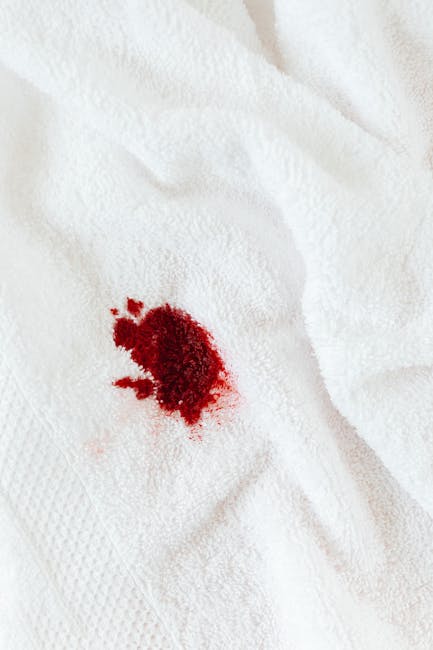
Common Mistakes to Avoid
Many stain jobs go wrong because of good intentions carried out too quickly. That sounds harsh, but it's true.
- Rubbing aggressively: This drives the stain deeper and can roughen the fibres.
- Using too much detergent: Residue attracts dirt and may leave a sticky patch.
- Applying random products: Bleach, vinegar, and multipurpose cleaners are not harmless on every material.
- Using heat too early: Hairdryers and hot water can set certain stains permanently.
- Ignoring the fabric type: Wool, silk, velvet, and delicate blends need extra care.
- Over-wetting the area: This can spread the stain or create a damp smell later.
- Scrubbing until the pile looks damaged: Removing the stain at the cost of the fabric is not really a win.
The biggest mistake of all? Assuming every stain behaves the same. A tomato sauce mark on upholstery is not the same as mud on a rug. Not even close.
If in doubt, step back. That moment of hesitation can save you from turning a small mark into a bigger repair. Honestly, sometimes restraint is the expert move.
Tools, Resources and Recommendations
You do not need a van full of equipment to deal with emergency stains, but having the right basics nearby makes life much easier.
| Tool or item | What it helps with | Why it matters |
|---|---|---|
| White microfibre cloths | Blotting spills and lifting residue | They avoid colour transfer and are gentle on most surfaces |
| Paper towels | Initial liquid removal | Useful for quick response when a spill is still wet |
| Soft brush | Reviving carpet pile after cleaning | Helps the area look more even once dry |
| Clean spray bottle | Applying water or a mild cleaning mix sparingly | Makes controlled treatment easier than pouring |
| Protective gloves | Handling cleaning agents or messy stains | Useful for safety and comfort |
| Stain-safe spot cleaner | Targeting specific marks | Should be tested first and used as directed |
For soft furnishings, it can also help to know the differences between carpet, upholstery, rug, and curtain cleaning. If the stain is on a sofa or armchair, a dedicated service such as upholstery cleaning in Fulham may be more appropriate than treating it as if it were a carpet mark. Likewise, deeper carpet marks may need carpet cleaning in SW10 rather than a quick surface wipe.
Rugs and curtains often need their own approach too. A rug can sometimes be taken up and treated more carefully, while curtains may wick stain liquid in a vertical direction. If you are dealing with those, rug cleaning in Fulham and curtain cleaning in Fulham are worth considering when the stain is not responding to light treatment.
Law, Compliance, Standards, or Best Practice
For most households, emergency stain removal is a practical cleaning task rather than a legal issue. That said, there are still standards of care that matter, especially in rented homes, managed properties, hospitality settings, and commercial spaces.
If you are a tenant or landlord, it is wise to handle cleaning in a way that does not damage the property or create dispute later. Overly harsh cleaning methods can sometimes leave larger marks than the original spill. If there is a check-in inventory or condition report, keeping a record of the stain and the treatment used is sensible. Not glamorous, but useful.
For businesses, you should also think about safe use of cleaning products. Follow the product label, keep the room ventilated, and store chemicals away from children and pets. If there are staff involved, make sure they understand what product goes where. A misused cleaner on the wrong fabric is a fast route to trouble.
In the UK, fabric care guidance and product instructions are generally the best practical benchmark for this kind of job. If a textile has a manufacturer's care label, treat that as your starting point. When the label conflicts with a general cleaning tip, the label wins.
Best practice is simple: test first, use the mildest effective method, avoid unnecessary moisture, and know when specialist treatment is safer than DIY.
Options, Methods, or Comparison Table
Not every stain needs the same response. The right method depends on how fresh the stain is, what caused it, and what surface it landed on.
| Method | Best for | Pros | Limits |
|---|---|---|---|
| Blotting with cool water | Fresh water-based spills | Fast, low-risk, easy to do | Often not enough for grease, dye, or old stains |
| Gentle spot treatment | Small marks on hard-wearing fabrics | Targeted and efficient | Can spread the stain if overused |
| DIY upholstery or carpet cleaner | Moderate stains on suitable fibres | Can improve visible results quickly | Needs testing and careful drying |
| Professional extraction | Deep, large, or stubborn stains | Better reach into fibres and underlay | May cost more than DIY, depending on the job |
| Specialist fabric treatment | Delicate or high-value materials | Safer for fragile textiles | Not always immediate; may require inspection first |
If the stain is on a sofa rather than a carpet, a service focused on sofa cleaning in SW10 may be the more suitable route. And for whole-property freshness after a messy incident, some people pair stain work with house cleaning in Fulham so the area feels properly reset, not just spot-treated.
There is no prize for choosing the hardest method. The best method is the one that removes the stain without making the fabric worse. Simple. Not always easy, but simple.
Case Study or Real-World Example
A small, practical example. Imagine a family in Fulham hosting friends on a Friday evening. A cup of tea tips over onto a light armchair just as everyone sits down. The liquid pools on the seat, then starts to sink into the seam.
They blot immediately with a clean white cloth, working gently from the outside in. No rubbing. No panicked scrubbing. After the first lift, they use a very small amount of cool water to dilute the remaining tea, then blot again. The visible stain improves, but a faint shadow remains in the seam line.
At that point, the sensible move is to stop trying random fixes. They let it dry with airflow, check the next day, and decide whether the fabric needs a specialist treatment. In a case like that, early action reduces the risk of permanent staining, but seam lines and padding can still hold residue that needs more than a household spot clean.
Now compare that with a late-night red wine spill on an older rug that has already dried by morning. The stain is likely to have set, and the surrounding fibres may already show a halo. That is the kind of problem where a measured professional clean tends to be more effective than another round of hopeful blotting.
Small difference in timing. Huge difference in outcome.
Practical Checklist
Use this quick checklist when a stain happens. It is not fancy, but it works.
- Act quickly and stay calm.
- Identify the stain and the surface.
- Blot gently with a clean white cloth.
- Avoid rubbing, heat, and heavy soaking.
- Test any cleaning product in a hidden spot first.
- Work in small sections, from the outside in.
- Use the mildest solution that still makes sense.
- Dry the area properly and check for residue.
- Stop if the stain spreads or the fabric starts to react badly.
- Book professional help if the item is delicate, expensive, or not improving.
If you want to prevent future headaches, keep a mini stain kit somewhere easy to reach and make sure everyone in the home knows the basics: blot, don't rub. Repeating it helps. A lot.
Conclusion
Emergency stain removal in Fulham is really about making smart decisions under pressure. The common problems are familiar - wine, coffee, mud, grease, pet accidents, and mystery marks that seem to appear out of nowhere - but the solutions are usually predictable if you stay calm and act early.
The key is to match the method to the stain, protect the fabric, and avoid the usual mistakes that turn a small spill into a long-term mark. When the job is simple, a careful DIY approach can work well. When it is stubborn, delicate, or already set, bringing in the right kind of help is often the more economical choice in the long run.
Either way, you do not need to feel stuck with the damage. There is almost always a next sensible step, and taking it promptly tends to make all the difference.
Get a free quote today and see how much you can save.