Stamford Bridge event cleaning checklist for match day businesses
Posted on 14/07/2026
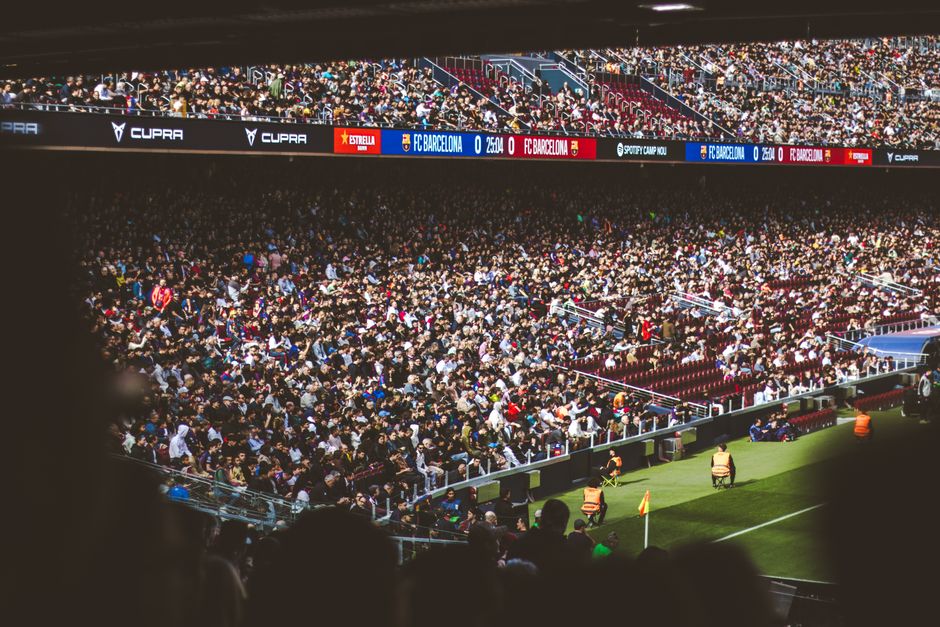
Match day around Stamford Bridge has a very particular rhythm: early deliveries, busy footfall, quick turnarounds, and then the post-match wave when everyone seems to leave at once. If you run a cafe, bar, restaurant, retail unit, or short-stay property nearby, a Stamford Bridge event cleaning checklist for match day businesses is not just a nice-to-have. It is the difference between staying calm and spending the evening chasing spillages, odours, and complaints.
This guide is built for the real world. Not the polished, fantasy version where nothing gets dropped, tracked in, or smeared across a window at 9:45pm. Here, you will find a practical cleaning plan for match day operations, plus the common mistakes to avoid, the tools that actually help, and a checklist you can use straight away. If you need support beyond your in-house team, you can also look at professional carpet cleaning in SW10 or arrange a book-a-cleaner visit when the schedule gets too tight.
Why Stamford Bridge event cleaning checklist for match day businesses Matters
On match day, cleanliness is not just about appearance. It directly affects customer experience, staff stress levels, slip risk, stock presentation, and how long it takes you to reset for the next rush. Around Stamford Bridge, that pressure is amplified because the area can go from relatively calm to packed with foot traffic in minutes.
Think about the small things that add up: muddy shoes in wet weather, drink spillages at the bar, crumbs and napkins under tables, bathroom queues, cigarette debris near entrances, and the damp smell that lingers if carpets are not dealt with properly. One missed detail can spread fast. A sticky floor near the till is enough to make a business feel unprepared, even if the food or service is excellent.
For match day businesses, cleaning also protects margins. If a carpet, sofa, or curtain holds on to grime, it makes a venue feel older and less cared for. That can quietly affect repeat trade. Truth be told, customers notice more than we sometimes think. They might not comment on a spotless skirting board, but they will notice a bad smell the second they walk in.
Practical takeaway: match day cleaning should be planned as an operational process, not treated as an afterthought once the crowd has gone.
How Stamford Bridge event cleaning checklist for match day businesses Works
The best approach is simple: clean before, during, and after the event, with clear ownership for each stage. That sounds obvious, but many businesses only focus on the end of the night. By then, the damage is already done and staff are tired, which is never the best time to start a deep clean. Not ideal, to be fair.
1. Pre-match preparation
Before customers arrive, focus on the areas that take the most wear: entrances, toilets, floors, bar tops, seating, and windows. A good pre-match clean should remove yesterday's residue and create a base that is easy to maintain. If your site includes soft furnishings, it may be worth arranging specialist work in advance, such as upholstery cleaning for business seating or curtain cleaning for hospitality spaces.
2. Live event maintenance
During the match, staff should work with short, repeatable tasks: clear spillages quickly, empty high-use bins, wipe touch points, and monitor toilets every set interval. This is where a checklist helps most, because everyone knows what "good" looks like. It removes the awkward guesswork of "has somebody done that yet?"
3. Post-match reset
After the final whistle, cleaning becomes more intensive. Floors need a full sweep and mop, tables must be sanitised, waste removed, and any soft furnishings checked for stains or damp. If rugs have taken the brunt of the traffic, rug cleaning in Fulham can be a sensible next step, especially in front-of-house spaces where first impressions matter.
4. Deep-clean scheduling
Even with a strong match day routine, some tasks should never be rushed in the middle of service. Deep carpet cleaning, sofa cleaning, and house-style end-of-let style resets are better scheduled between busy fixtures. For some businesses, pairing a routine reset with professional house cleaning in SW6 is the easiest way to keep standards high without stretching staff thin.
Key Benefits and Practical Advantages
A clean venue is nice. A well-managed venue is better. The real benefit of a match day checklist is operational control. You reduce the chance of last-minute panic, and that matters when the queue is snaking towards the door and everyone wants serving now.
- Safer floors and walkways: faster spill response means lower slip risk.
- Better customer perception: people feel more comfortable spending time and money in a tidy space.
- Less staff stress: tasks are assigned, not improvised.
- Longer lifespan for fixtures: regular care protects carpets, sofas, curtains, and rugs.
- Cleaner handover at close: the venue is easier to reset for the next day.
- More consistent standards: whether it is a big derby night or a quieter home fixture, your process stays the same.
There is also a brand angle. Match day businesses around Stamford Bridge often rely on atmosphere. If the space smells fresh, feels organised, and looks cared for, that atmosphere carries into the experience. And yes, customers do pick up on it even when they do not say so out loud.
If you already have cleaning support, a small promotional or maintenance package can help keep things steady between fixtures. It is often worth checking the latest offers on cleaning promotions if you are comparing options for ongoing support.
Who This Is For and When It Makes Sense
This checklist is useful for any business that feels the pressure of football traffic, but it is especially relevant if you operate close to Stamford Bridge and depend on fast turnover. The biggest wins usually come for businesses that see a sharp rise in guests before kick-off, at half-time, and immediately after the match.
Best suited to:
- pubs, bars, and sports hospitality venues
- cafes, bakeries, and takeaway counters
- restaurants with indoor dining and loos under constant use
- retail shops facing wet-foot traffic from the street
- managed apartments, short lets, and guest accommodation
- office spaces that host event clients or private functions
It makes sense any time your normal daily cleaning is not enough. If the venue gets packed, if staff are stretched, or if you have soft furnishings that absorb smells and stains, you need a match day-specific plan. Even a small business can feel the impact. One wet afternoon, one muddy entrance, one overworked toilet block, and suddenly the whole place needs attention. That's the reality.
For businesses that want a deeper reset rather than a quick tidy, sofa cleaning in SW10 can help restore seating areas that have seen a lot of use, especially in hospitality settings where fabric care is easy to overlook.
Step-by-Step Guidance
Below is a practical sequence you can adapt to your team size and opening hours. Keep it simple. The best checklist is the one people actually use.
Step 1: Walk the site before opening
Start with a quiet walkthrough. Look at the venue as a customer would. Are the floors dry? Is the entrance clear? Are bins empty? Do the toilets smell fresh? It takes only a few minutes, but it sets the tone for the whole day.
Step 2: Tackle high-visibility areas first
Focus on what customers see immediately: windows, door handles, reception points, bar tops, menus, mirrors, and seating. If the front of house looks clean, the rest of the work becomes easier to manage. A neglected entrance, on the other hand, is hard to recover from.
Step 3: Protect the floors
Place mats where wet or dirty shoes are likely to track in debris. Sweep more often than you think you need to. Then mop with the right product for the floor type. For carpeted areas, a scheduled carpet cleaning service in Fulham can prevent build-up that routine vacuuming will never quite remove.
Step 4: Keep toilets on a timed check
Toilets are usually where complaints start. Create a timed sign-off system so someone checks every 30 to 60 minutes, depending on footfall. Refill soap, paper, and towels, and deal with odours immediately. A spotless toilet can save a decent amount of customer goodwill. Strange but true.
Step 5: Monitor touch points throughout the event
Door handles, card machines, counters, taps, railings, and table edges all gather fingerprints and germs quickly. These spots should be wiped regularly, especially if you have families, large groups, or standing-room crowds.
Step 6: Deal with stains before they settle
Act fast when spills happen. Blot, do not rub, unless you enjoy making a small problem into a bigger one. Use the right cloth and the right cleaner for the surface. For upholstery, curtains, rugs, and similar fabrics, it is often safer to stop at spot treatment and book specialist cleaning later.
Step 7: Reset after the crowd leaves
Once the match is over, remove waste, clean floors properly, sanitise all high-touch surfaces, and inspect soft furnishings. Put chairs back in order, check corners and skirting boards, and look for any lingering smell of drink, food, or damp clothing. The post-match reset should be calm, methodical, and not rushed.
Step 8: Record what needs extra attention
Make a note of recurring issues. Maybe the same entrance gets muddy every rainy match. Maybe the back table area needs extra vacuuming. Maybe the curtains are holding odours. These observations help you improve the next shift instead of repeating the same scramble.
Expert Tips for Better Results
In practice, the cleanest businesses are rarely the ones with the fanciest kit. They are the ones with habits. Small, boring, consistent habits. That is the secret, really.
- Use short checklists for different time windows: pre-open, half-time, close, and next morning.
- Assign ownership by zone: one person handles toilets, another handles front-of-house, another handles waste.
- Train staff on "first response" spill care: everyone should know how to isolate a wet floor, blot safely, and report damage.
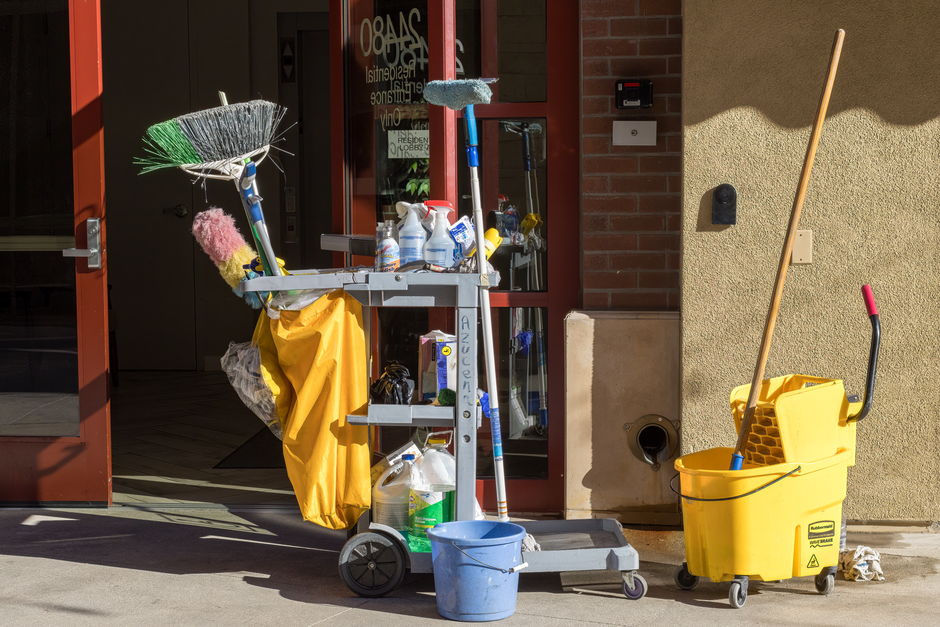
- Keep spare supplies ready: gloves, liners, wipes, cloths, mop heads, sanitiser, air freshener, and replacement paper goods.
- Do not ignore the soft surfaces: carpets and upholstery can hold odours long after hard floors look fine.
- Plan around the fixture list: a derby, cup tie, or late kick-off may need a different staffing pattern than a routine Saturday.
A small human truth: if a cleaning routine is too complicated, staff will skip bits when things get busy. Keep instructions plain. Keep them visible. And keep them realistic.
If your venue uses heavy textile furnishings, specialist care for soft surfaces can make a huge difference. You can also explore curtain cleaning options in SW10 when smells, dust, or drink residue start to build up.

Common Mistakes to Avoid
Match day cleaning problems are usually not dramatic. They are the result of a handful of avoidable oversights that keep repeating. The tricky part is that each one looks minor on its own.
1. Cleaning only after service ends
If you wait until closing, you give stains time to set and odours time to spread. Prevention and quick response matter much more than one heroic late-night clean.
2. Focusing on what is visible and ignoring what is felt
A floor may look fine while still being sticky. A sofa may look tidy while still smelling of beer and damp coats. Customers notice the atmosphere as much as the appearance.
3. Using the wrong product on the wrong surface
Too much detergent, the wrong chemical, or an over-wet method can damage fabrics and floors. Always match the cleaning approach to the material. When in doubt, go gentler and safer.
4. Not checking toilets often enough
Busy loos can become a problem very quickly. If you let them drift, you end up with complaints, stock waste, and extra cleaning time later.
5. Forgetting the outside threshold
Entrances, mats, windows, and the immediate pavement edge shape the first impression. A spotless interior with a grubby doorway feels off. People clock that. They really do.
6. Failing to log repeat problems
If you see the same issue every match day but never record it, the same issue will return. A simple note book or shift log can prevent a lot of avoidable frustration.
Tools, Resources and Recommendations
You do not need a warehouse full of equipment. You do need the right basics, kept in good order and stored where staff can actually find them.
| Need | Useful option | Why it helps |
|---|---|---|
| Floors | Vacuum, broom, mop, warning signs | Speeds up response to dirt, liquids, and tracked-in debris |
| Touch points | Microfibre cloths, suitable sanitiser | Keeps high-contact surfaces presentable between cleans |
| Toilets | Paper, soap refills, bin liners, descaler | Prevents shortages and keeps facilities usable |
| Soft furnishings | Spot-clean kit, specialist cleaning schedule | Protects fabric from stains and lingering smells |
| Waste control | Extra bins, liners, gloves | Stops overflow during peak periods |
| Air quality | Ventilation plan, odour control routine | Helps the venue feel fresh after a crowded event |
For businesses that want to keep standards steady all week, not just on match days, it can help to combine event-ready cleaning with routine maintenance. Some owners prefer a regular clean plus specialist work for carpets, rugs, or upholstery when needed. If that sounds like your setup, the blog can be a useful place to explore related cleaning guidance, and the main site offers more information about ongoing options.
Law, Compliance, Standards, or Best Practice
This article is not legal advice, and it is always sensible to check your own obligations based on your premises and business type. That said, there are a few plain-English best-practice points most match day businesses should keep in mind.
First, clean and dry walkways matter for general safety. If a floor is wet, greasy, or cluttered, it should be dealt with promptly and, where needed, clearly signposted. Second, food businesses should maintain hygienic work surfaces and waste handling routines that fit their operating model. Third, shared customer spaces such as toilets, entrances, and seating areas need regular attention because they are high-contact zones.
For businesses in busy London settings, good practice usually means documented routines, staff training, stock checks, and a sensible escalation process for bigger messes. That might sound formal, but in reality it just means everybody knows what happens next if there is a spill, a broken glass, or a sudden queue in the loos.
If you manage a premises with mixed surfaces, carpets, soft seating, curtains, and rugs, periodic specialist care is part of staying ahead of odour, staining, and wear. It is usually cheaper and easier to maintain than to rescue a badly neglected space later.
Options, Methods, and Comparison Table
Different businesses need different levels of cleaning support. A small cafe with two staff members will not clean the same way a packed bar or private event space does. The best approach depends on footfall, fabric use, opening hours, and how much time you can realistically spare between fixtures.
| Method | Best for | Strengths | Limitations |
|---|---|---|---|
| In-house routine cleaning | Smaller venues, predictable footfall | Flexible, immediate, cost-controlled | Can miss deep-set dirt if staff are rushed |
| Hybrid in-house plus specialist support | Busy match day businesses | Balanced, efficient, practical | Needs good scheduling |
| Full specialist cleaning | Large venues or heavy-use spaces | Thorough, consistent, less strain on staff | Requires booking ahead and more planning |
In many cases, the hybrid model works best. Your staff handle the live event, and specialists support deeper carpet, upholstery, or fabric care at quieter times. It keeps the site looking good without making the team carry everything on their backs.
Case Study or Real-World Example
Here is a realistic example. A small hospitality business near Stamford Bridge had a familiar problem: the space looked fine at opening, but by the end of a busy match day the entrance mat was damp, the carpet around the seating area felt grubby, and the upholstered benches held on to a faint drink smell.
The owner did not need a complete overhaul. They needed a better system. So the team introduced a three-part checklist: pre-open inspection, mid-shift toilet and floor checks, and a post-close reset. They also set aside a separate cleaning plan for soft furnishings and high-use flooring, instead of trying to do everything at the end of the night.
The result was not magic. It was better discipline. The venue felt fresher, the staff stopped guessing what to do next, and the next day's opening became far easier. That sort of improvement may not sound glamorous, but in a busy London business it is gold. Little by little, the place just worked better.
Practical Checklist
Use this checklist as a live working tool for home fixtures, big fixtures, and everything in between. Print it, save it, or adapt it to your own shift handover sheet.
Before opening
- Check entrances, mats, and visible glass
- Vacuum or sweep all guest-facing floors
- Wipe tables, counters, handles, and card machines
- Inspect toilets, soap, towels, and bins
- Confirm ventilation and odour control are working
- Remove any leftover waste from the previous shift
During the event
- Respond to spillages immediately
- Keep toilets checked on a timed rota
- Clear bins before they overflow
- Wipe high-touch surfaces regularly
- Watch entrances for wet or muddy build-up
- Spot-clean obvious marks on seating or fabric where safe
After the match
- Remove all waste and recycling
- Deep clean floors based on material type
- Sanitise tables, counters, handles, and loo touch points
- Check carpets, rugs, sofas, and curtains for stains or odours
- Reset furniture and remove clutter
- Log any damage, supply shortages, or repeat issues
Weekly or scheduled extras
- Review whether carpets need specialist cleaning
- Assess upholstery for stains, odours, or wear
- Check curtains, rugs, and soft furnishings for dust build-up
- Restock cleaning supplies before the next fixture cycle
If you need help with deeper maintenance, there are also service pages covering carpet cleaning, upholstery care, and rug cleaning that may suit busy match day premises.
Conclusion
A Stamford Bridge event cleaning checklist for match day businesses gives you something very practical: control. It helps you keep standards steady when the area gets busy, the pace picks up, and you do not have time to improvise. That is really the point. Not perfection. Control.
Start with the basics, assign clear responsibilities, and build from there. If your venue has carpets, upholstery, rugs, or curtains that take repeated punishment, schedule specialist care before the build-up becomes obvious. The difference is usually smaller and more affordable to maintain than to recover from. And once you get the routine right, it becomes one of those quiet business systems that just makes life easier.
Get a free quote today and see how much you can save.
Sometimes the best operations work is invisible to customers. They just feel comfortable, stay a little longer, and come back again. That's the lovely part, really.